

Young writers can be confused by the different ways letters appear when printed. Is "a" the same as "A"? Look through old catalogs and newspapers with your child and cut out uppercase and lowercase letters in as many fonts and sizes as you can find. Help your child sort the letters and paste all the examples of each letter onto a separate index card. Your child will learn a variety of ways each letter can look.
https://tpitip.com/?16ba17376

Experts know that casual conversation at the dinner table helps families connect. Children who feel close to their families are also less likely to take part in risky behavior. But conversation is impossible when everyone is focused on a screen. So, turn off the TV and other devices during meals. Instead, encourage everyone to share a success. Your family dinners may shield your child from trouble later on.
https://tpitip.com/?16bZ17376
It is possible for very bright students to struggle in school. When your child's performance in school is well below your child's ability, it's time to take action. First, talk to the teacher. Your child may be bored. Could the teacher assign a project that might provide an interesting challenge? Work together to find solutions. Outside school, look for activities that develop your child's strengths. If the situation continues, ask a doctor or school counselor how to find out if your child might have learning differences.
https://tpitip.com/?16bY17376
Promote the savings habit by having your elementary schooler divide pocket money into three jars. The first jar is for change your child is free to spend as desired. The second jar is for saving for more expensive items that may take a few weeks or months to afford. The last jar is for long-term savings for big ticket items like college, for example.
https://tpitip.com/?16bX17376

This week, we join districts across the country in celebrating the incredible students, dedicated teachers, and hardworking staff who make our schools the heart of our community. Thank you for choosing St. Landry Parish!
In order to think analytically about reading material, your child must learn to separate fact from opinion. For practice, give your child a news article on a subject of interest. Cut off the headline. Ask your child to read the article and underline the facts in red and the opinions in blue. Then, have your child write a new headline. How does it compare to the original?
https://tpitip.com/?16bW17376
👉https://app.smore.com/n/etapw
Here’s what’s inside ⬇️
- Tutoring resumes this Monday, February 23.
- Friday, February 27 - Popcorn sale for $1.00
- February box Top challenge - Did you download the box top app and start scanning your receipts? PreK is currently in the lead.
- PreK enrollment for the 2026-2027 school year is now open.
- We did not meet our attendance goal the week of February 19-20, 2026! Please help us to make sure students arrive on time and stay for the entire school day — every minute counts! 🙌
Who? What? When? Where? Why? Teach your elementary schooler to keep these questions in mind while reading, and your child will begin to read more carefully and understand the material better. What happened in the story? Where did it happen? Who was involved? When did it happen? Why was it written? Talk with your child about the answers. If your student can't answer the questions, suggest reading the passage again.
https://tpitip.com/?16bV17376
To be responsible students, children must take the job seriously. For that, they need their families' support. Make learning a priority in your family's life. Visit the library, explore new places, take nature walks. Establish routines that make reading and studying an expected part of each day. Encourage your child to keep trying when schoolwork is tough. And when your student has questions, demonstrate how to find the answers.
https://tpitip.com/?16bU17376
When kids have time to think about what they want to say, they sometimes share their deepest thoughts. Try sharing a journal with your child. Glue a picture of the two of you onto a notebook, then write something positive about your child. It might be about how hard your student is trying in school or how your child makes you laugh. Leave it for your elementary schooler to read. The next day, it is your child's turn to write to you. Keep it up all year!
https://tpitip.com/?16bT17376


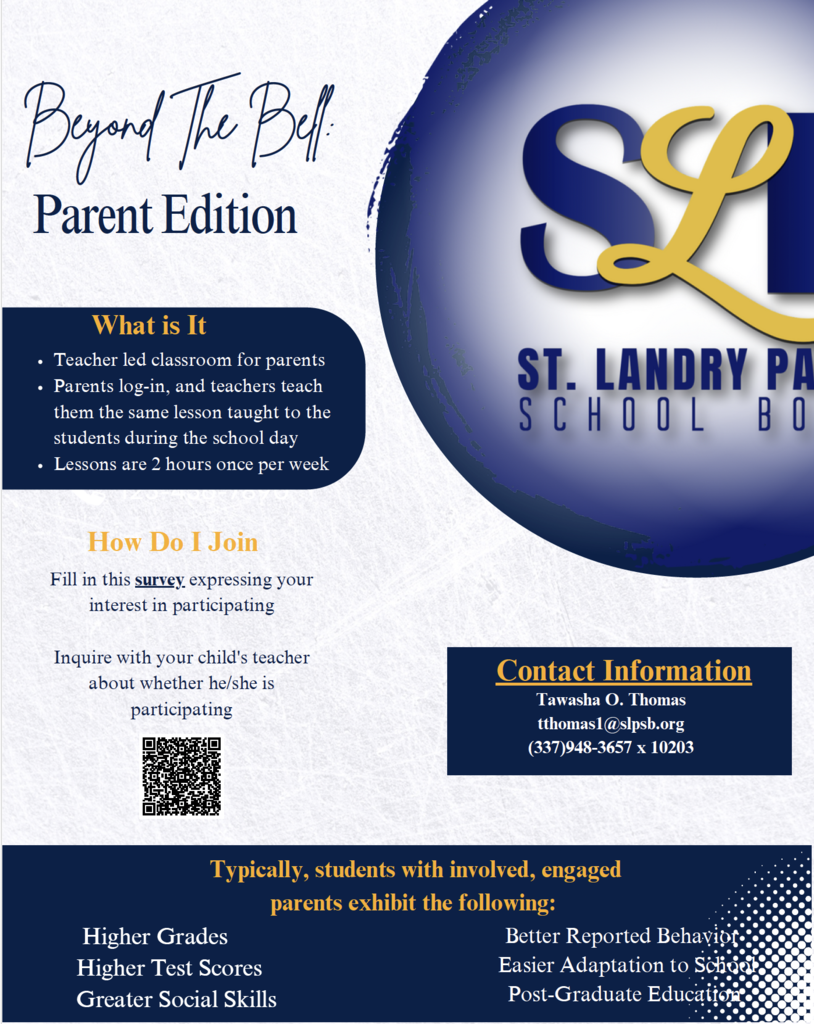
📢 Beyond The Bell: Parent Edition - St. Landry Parish parents, would you be interested in attending our teacher-led virtual lessons to get a glimpse into your child's classroom learning experience?
Complete the interest survey here, https://tinyurl.com/SLPLBBPE.
For additional information, visit https://aptg.co/ZntH5G.
Contact Tawasha Thomas at (337)948-3657 x10203 with any questions.

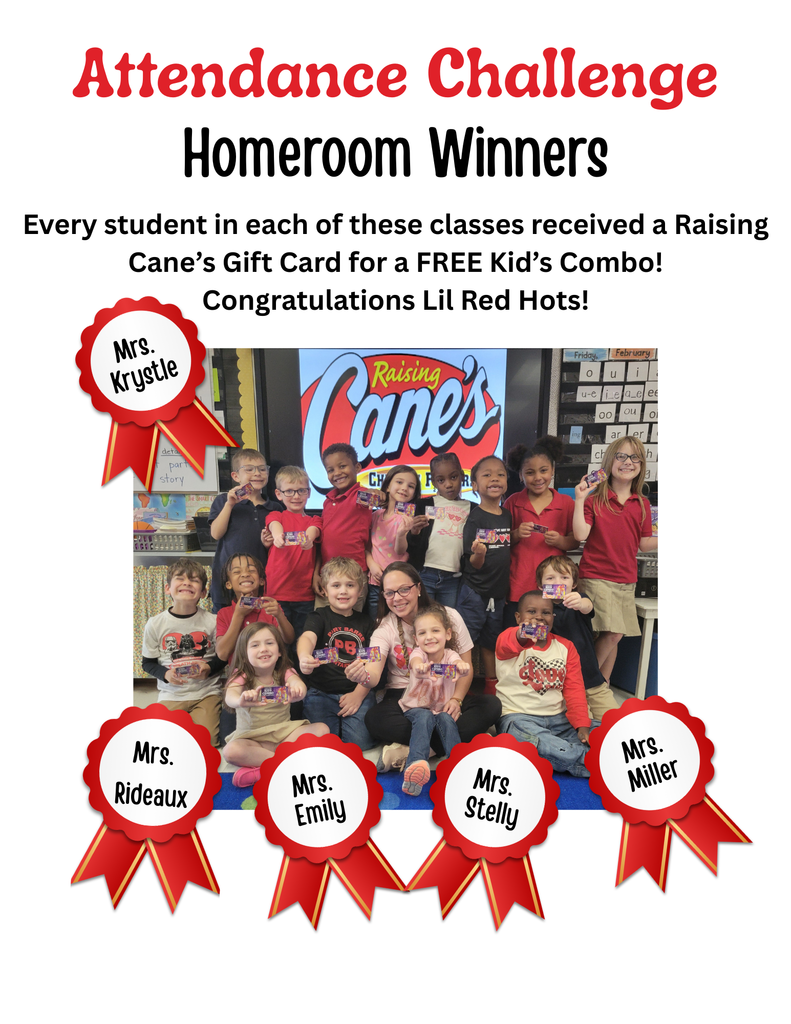
A huge shoutout to our top-performing homerooms:
🌟 And the winners are... 🌟
Mrs. Emily--Pre-K
Mrs. Krystle--1st Grade
Mrs. Rideaux-- 2nd Grade
Mrs. Miller--2nd Grade
Mrs. Stelly--2nd Grade
Attendance is such a vital part of student success. When students are here, they are growing, socializing, and building the foundation for their futures.
#PBEPride #AttendanceMatters #ShowUpToGlowUp #StudentSuccess #PBEFamily
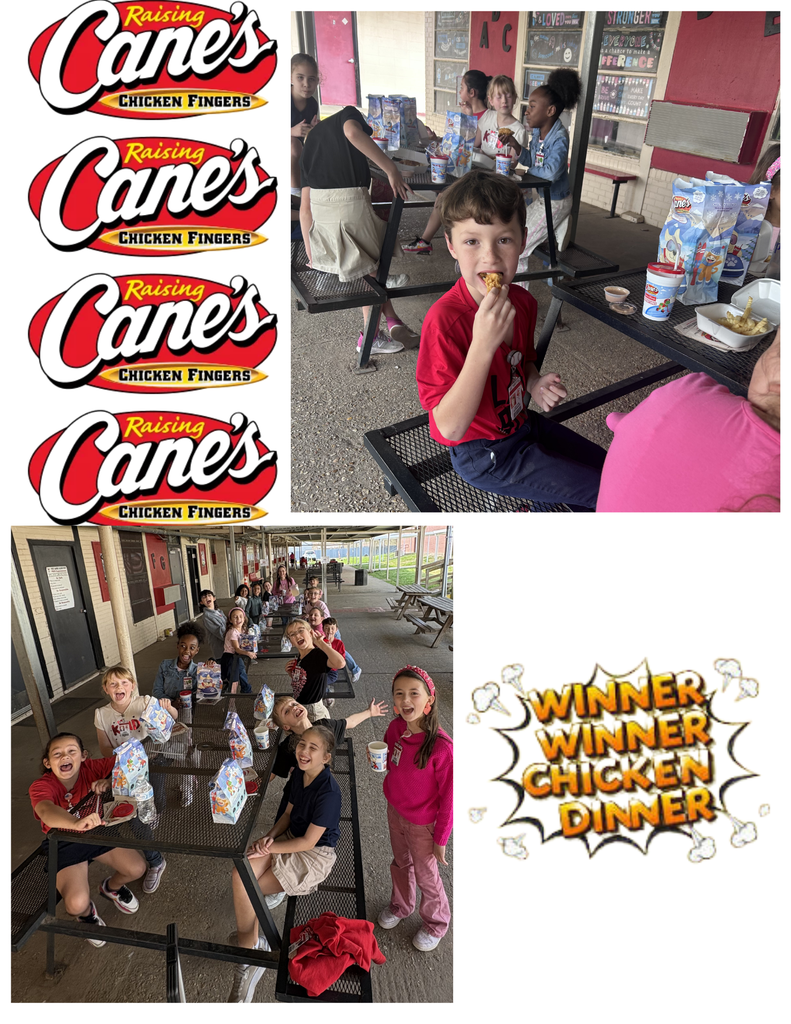
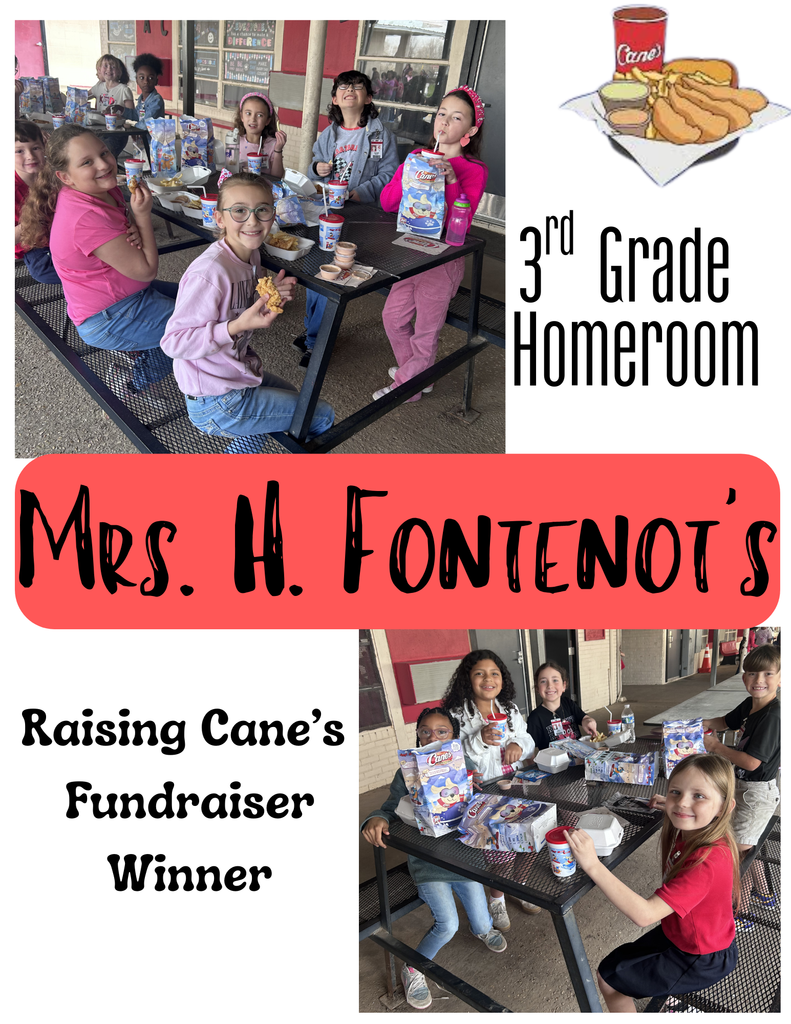
A huge congratulations to Mrs. H. Fontenot’s 3rd Grade Homeroom for being our big Raising Cane’s Fundraiser Winners! 🏆
To celebrate their hard work and school spirit, the class enjoyed a delicious Cane’s party under the breezeway. There’s nothing like some chicken fingers and Texas toast to make a school day extra special!
Thank you to all our PBE families who participated in the fundraiser—your support makes events like this possible.
Way to go, 3rd Grade! ❤️💛
#PBEPride #RaisingCanes #FundraiserWinners #ThirdGradeRockstars #CommunitySupport
When it’s time to teach limits, play the Too Much Game. To start, tell your child the rule: "When I say 'too much,' you name something that is good normally, but bad when overdone. Then, say the negative consequence of having too much." Your child might say, "Food is good, but eating too much is unhealthy." Take turns and have some fun: Too much bathing might wash your skin off!
https://tpitip.com/?16bS17376